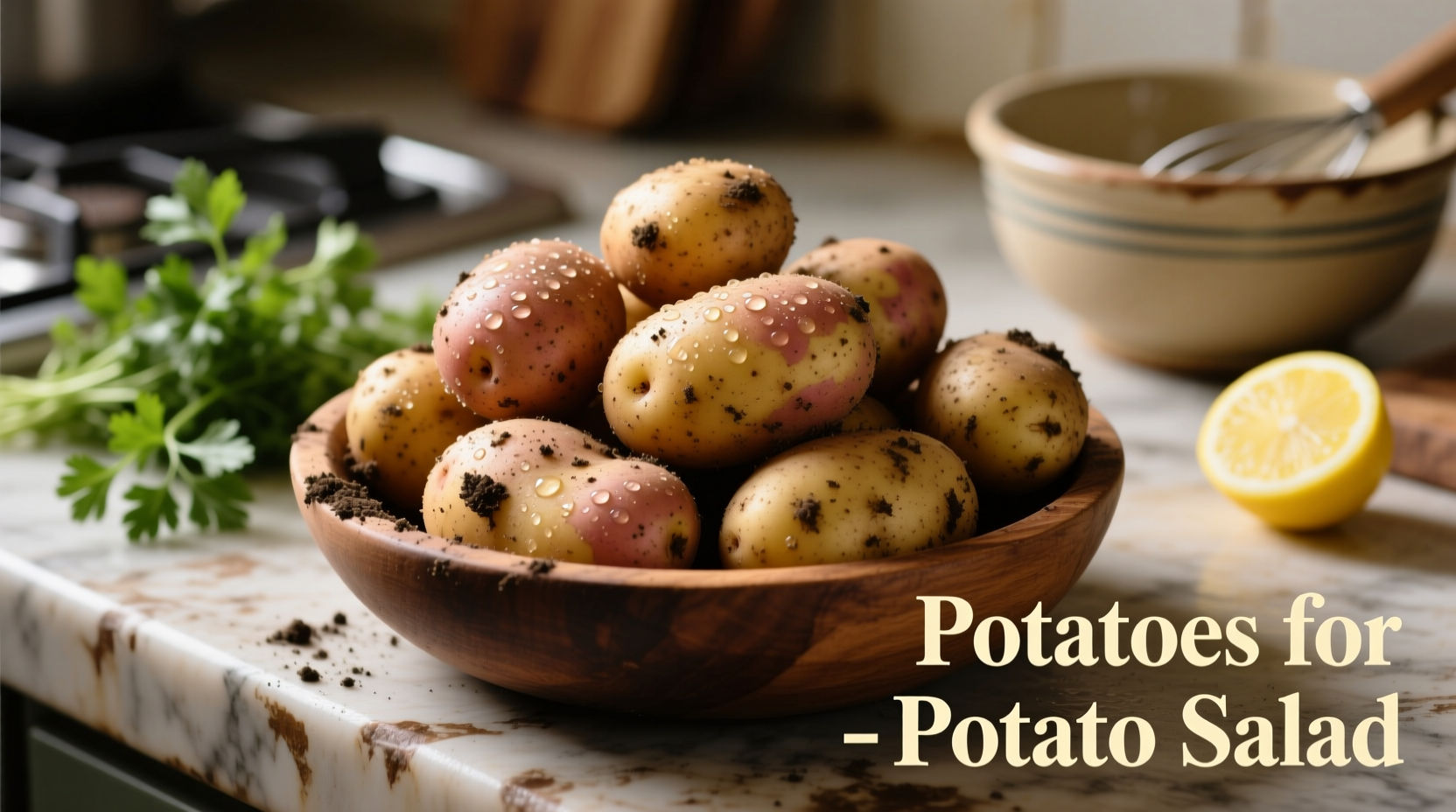
Waxy vs. Starchy: Choosing the Best Potatoes for Perfect Salads
The humble potato salad, a culinary chameleon, graces tables from backyard barbecues and festive Fourth of July picnics to sophisticated European bistros and cozy Scandinavian smorgasbords. Far more than a mere side dish, potato salad holds a proud cultural significance across global cuisines, transforming simple spuds into a dish of true stardom. But achieving that perfect bowl – whether it's a creamy, dill-flecked American classic or a vibrant, tangy German creation – hinges on a crucial decision made long before the first chop: selecting the right potato. The difference between a cohesive, textural masterpiece and a mushy disappointment often comes down to understanding the fundamental characteristics of waxy versus starchy potatoes.
The Unsung Hero: Why Potato Choice Matters for Your Salad
Imagine a classic potato salad, brimming with tender chunks that hold their shape, each piece a delightful canvas for a tangy, creamy dressing. Now imagine one where the potatoes have disintegrated into a shapeless pulp, the once-distinct cubes now a lumpy mess. This stark contrast highlights why choosing the correct potato variety is the single most important factor in crafting an outstanding potato salad. The type of potato you select dictates its texture, its ability to absorb dressing, and ultimately, the overall success of your dish.
Potato salad, as celebrated in books like "Potato Salad: 65 Recipes from Classic to Cool," transcends its traditional role as seasonal picnic fare. It's a dish meant for year-round enjoyment, encouraging culinary exploration from bacon-studded German oil-and-vinegar styles to delicate dill-flavored Scandinavian versions. This versatility demands a foundation that can adapt to diverse preparations, and that foundation begins with the potato. For any
potato salad recipes, from classic to cutting-edge, the texture of the potato is king.
Understanding Your Spuds: Waxy Potatoes for Salad Perfection
When the goal is a potato salad where each piece retains its integrity, waxy potatoes are your undisputed champions. What makes them so ideal? It’s their lower starch content and firmer, denser flesh. Unlike their starchy counterparts, waxy potatoes absorb less water during cooking and are less prone to breaking down or becoming crumbly. This means they can be cooked until tender yet still maintain their distinct shape, providing that satisfying textural bite essential for a great potato salad. They also hold up beautifully to tossing and mixing with dressings, rather than dissolving into the sauce.
Leading the charge in the waxy potato brigade are several excellent varieties:
*
Yukon Gold: Often considered the gold standard for potato salad, these yellow-fleshed beauties offer a buttery flavor and a smooth, firm texture that makes them an impeccable choice. Their subtle sweetness complements a wide range of dressings. Many beloved
classic potato salad recipes, for instance, specifically call for Yukon Golds, praising their ability to remain tender without crumbling.
*
Small Red Potatoes (New Potatoes): These charming, thin-skinned potatoes are another fantastic option. Their firm texture and earthy flavor are perfect for salads, especially those with vinaigrette-style dressings. Their skins are usually thin enough to leave on, adding color, texture, and nutritional value.
*
Round Whites: A versatile and widely available choice, round whites have a medium-waxy texture that performs admirably in potato salads. They’re mild in flavor, allowing the dressing and other ingredients to shine.
*
Fingerlings: With their elongated shape and delicate skin, fingerlings offer an elegant presentation. Varieties like Russian Banana or French Fingerling are medium-waxy and hold their shape well, making them excellent for gourmet or rustic-style potato salads.
*
Purple/Blue Potatoes: Beyond their striking color, these potatoes often possess a waxy texture and earthy flavor, adding a unique visual appeal and nutritional boost to your salad.
When preparing waxy potatoes for salad, a key tip from seasoned chefs and cookbook authors like Debbie Moose is to boil them whole and then peel them while they are still hot. This method makes the skins slide off effortlessly and helps prevent the potatoes from becoming waterlogged. Cutting them into bite-sized pieces while warm also allows them to more effectively absorb the dressing, infusing flavor deep into each chunk.
The Starchy Side: When to Avoid, When to Embrace (But Not for Salad!)
On the opposite end of the spectrum are starchy, or mealy, potatoes. Varieties like the ubiquitous Russet Burbank (Idaho potato) or baking potatoes fall into this category. These potatoes are characterized by their high starch content and drier, fluffier texture. While absolutely brilliant for applications where you want a light, airy result – think fluffy mashed potatoes, crispy french fries, or perfectly baked potatoes – they are generally unsuitable for potato salad.
Why the strict no-go for starchy potatoes in salads? Their high starch content causes them to break down easily when cooked and mixed. They absorb a lot of water, leading to a mushy, crumbly, and often unappetizing texture that lacks the distinct potato chunks we crave in a salad. Instead of holding their shape, they tend to disintegrate, turning your carefully crafted salad into something resembling lumpy mashed potatoes. While there might be some niche potato salad recipes that intentionally aim for a creamier, almost mashed consistency, for the vast majority of classic and modern potato salad preparations, starchy potatoes are best avoided.
Crafting the Perfect Potato Salad: Beyond the Spud
While the potato itself is paramount, the journey to potato salad perfection involves several other crucial elements that interact harmoniously to create a memorable dish. The classic potato salad exemplifies this balance, complementing tender spuds with a vibrant dressing and essential textural contrasts.
The Tangy, Binding Dressing
A great potato salad dressing does more than just coat the potatoes; it binds the ingredients, infuses flavor, and provides a crucial counterpoint to the potato’s richness. Many beloved creamy potato salad recipes feature a mayonnaise-based dressing, often brightened with a medley of tangy and fresh additions. For instance, a blend of mayonnaise, zesty lemon juice, and a dollop of pungent Dijon mustard creates a dressing that is both rich and refreshingly piquant. Fresh herbs like finely chopped dill and scallions are indispensable, adding layers of aromatic freshness that elevate the entire dish. Using fresh lemon juice and fresh dill truly makes a noticeable difference in the brightness and overall flavor profile.
The Essential Crunch and Flavor Boosters
Texture is key in any compelling dish, and potato salad is no exception. While waxy potatoes provide the foundational tenderness, crunchy mix-ins offer a delightful contrast that prevents the salad from becoming monotonous. Thinly sliced celery contributes a refreshing snap, while finely chopped sweet onion or scallions deliver a pungent kick and textural bite. Hard-boiled eggs, a common addition in many American-style potato salads, provide a creamy richness and additional protein. These elements are not just fillers; they are carefully chosen components that enhance the overall experience, adding depth of flavor and a satisfying mouthfeel.
Pro Tips for Unforgettable Potato Salad
*
Season While Warm: Potatoes absorb salt and other seasonings much more effectively when they are warm. Don't wait until the potatoes are cold to dress them; toss them gently with part of the dressing or seasonings right after cutting.
*
Don't Overcook: This cannot be stressed enough. Cook waxy potatoes until they are just tender when pierced with a fork, but not falling apart. Overcooking will compromise their texture, even for waxy varieties.
*
Chill for Flavor Development: While you can eat potato salad immediately, allowing it to chill in the refrigerator for at least a few hours (or even overnight) allows the flavors to meld and deepen, resulting in a more cohesive and delicious salad.
*
Fresh is Best: Whenever possible, opt for fresh herbs (dill, parsley, chives, scallions) and fresh lemon juice. Their vibrant flavors far surpass those of dried or bottled alternatives.
Conclusion
From global culinary stages to the humble backyard grill, potato salad remains a universally cherished dish. Its success, however, is not left to chance but to careful selection and preparation. By understanding the distinct qualities of waxy versus starchy potatoes and consistently choosing waxy varieties like Yukon Golds, new reds, or fingerlings, you lay the groundwork for a potato salad that is texturally perfect and bursting with flavor. Combine this foundational choice with a balanced, tangy dressing and a thoughtful array of crunchy mix-ins, and you'll consistently craft a potato salad that truly takes center stage, proving that this beloved dish is indeed worthy of year-round enjoyment and culinary stardom. So go ahead, go spud wild, and elevate your potato salad game!